Understanding Knee Osteoarthritis: Causes, Symptoms, and Effective Treatments

Knee osteoarthritis affects millions worldwide, causing pain and limiting mobility. This common joint condition can disrupt daily life, making simple activities like walking or climbing stairs difficult. Understanding what knee osteoarthritis is, what causes it, and how to manage it can help those affected take control of their health and improve their quality of life.
What Is Knee Osteoarthritis?
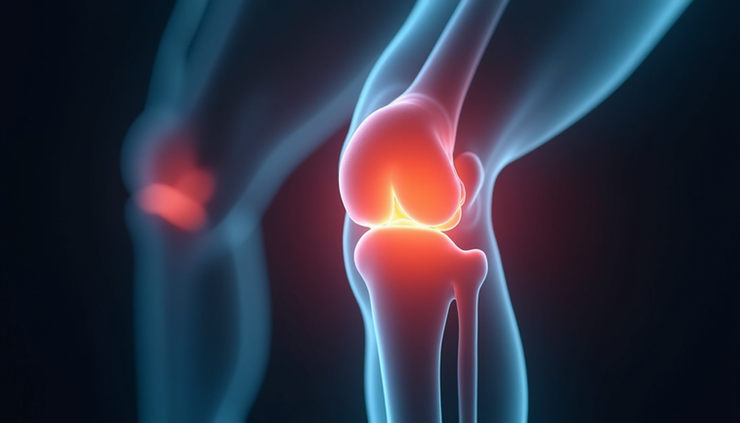
Knee osteoarthritis is a degenerative joint disease where the cartilage cushioning the ends of bones in the knee gradually breaks down. Cartilage is a smooth, slippery tissue that allows bones to glide over each other without friction. When cartilage wears away, bones rub directly against each other, causing pain, swelling, stiffness, and reduced movement.
This condition develops slowly and worsens over time. It is the most common form of arthritis affecting the knee and a leading cause of disability in adults over 50. While it primarily affects older adults, younger people can also develop knee osteoarthritis, especially after injury or repeated stress on the joint.
What Causes Knee Osteoarthritis?
Several factors contribute to the development of knee osteoarthritis. Understanding these causes can help identify risks and guide prevention or treatment strategies.
Age
Cartilage naturally wears down as people age. The risk of knee osteoarthritis increases significantly after age 50.
Joint Injury
Previous knee injuries, such as fractures, ligament tears, or meniscus damage, can increase the chance of developing osteoarthritis later.
Repetitive Stress
Jobs or activities that put repeated pressure on the knee joint, like heavy lifting or frequent kneeling, can accelerate cartilage breakdown.
Obesity
Excess body weight increases stress on the knee joints. Even a small weight gain can raise the risk of osteoarthritis and worsen symptoms.
Genetics
Family history plays a role. Some people inherit a tendency for weaker cartilage or joint abnormalities.
Muscle Weakness
Weak muscles around the knee provide less support, increasing joint strain.
Other Medical Conditions
Conditions like rheumatoid arthritis or metabolic disorders can contribute to joint damage.
Recognizing Symptoms of Knee Osteoarthritis
Symptoms usually develop gradually and may include:
Pain
Aching or sharp pain during or after movement, especially after standing or walking.
Stiffness
Difficulty bending or straightening the knee, often worse after resting.
Swelling
Inflammation around the knee joint may cause visible swelling.
Reduced Range of Motion
Limited ability to move the knee fully.
Grinding Sensation
Feeling or hearing a grating sound when moving the knee.
Joint Deformity
In advanced cases, the knee may appear misshapen.
Symptoms often worsen with activity and improve with rest but can become persistent over time.
Diagnosing Knee Osteoarthritis
Doctors diagnose knee osteoarthritis through:
Medical History and Physical Exam
Discussing symptoms, activity level, and examining the knee for tenderness, swelling, and movement.
Imaging Tests
X-rays show joint space narrowing, bone spurs, and cartilage loss. MRI scans provide detailed images of soft tissues.
Lab Tests
Blood or joint fluid tests help rule out other types of arthritis.
Effective Treatments for Knee Osteoarthritis
While knee osteoarthritis cannot be cured, many treatments can relieve symptoms and improve function. Treatment plans often combine several approaches tailored to individual needs.
Lifestyle Changes
Weight Management
Losing even 5-10% of body weight can significantly reduce knee stress and pain.
Exercise
Low-impact activities like swimming, cycling, and walking strengthen muscles and improve joint flexibility. Physical therapy can guide safe exercises.
Activity Modification
Avoiding high-impact activities and using assistive devices like braces or canes can reduce joint strain.
Unloading Knee Braces
Unloader braces are an economical and effective treatment for unicompartmental knee osteoarthritis. They can significantly improve a patient's quality of life and potentially delay the need for surgery (Mistry et al., 2018).
Medications
Pain Relievers
Over-the-counter options like acetaminophen or nonsteroidal anti-inflammatory drugs (NSAIDs) help reduce pain and inflammation.
Topical Treatments
Creams or gels applied to the skin over the knee can provide localized relief.
Prescription Medications
In some cases, doctors may prescribe stronger pain medications or corticosteroid injections.
Medical Procedures
Injections
Corticosteroid injections reduce inflammation. Hyaluronic acid injections may improve joint lubrication.
Surgery
When other treatments fail, surgical options include:
Arthroscopy to clean damaged cartilage
- Osteotomy to realign bones
- Partial or total knee replacement to replace damaged joint surfaces

Alternative Therapies
Some people find relief with:
Acupuncture
Supplements like glucosamine and chondroitin (though evidence is mixed)
Heat and cold therapy
Always consult a healthcare provider before starting alternative treatments.
Managing Knee Osteoarthritis Daily
Living with knee osteoarthritis means adapting daily routines to protect the joint and maintain mobility.
Use supportive footwear with good cushioning.
Take breaks during prolonged standing or walking.
Apply ice packs after activity to reduce swelling.
Practice gentle stretching to maintain flexibility.
Stay consistent with prescribed exercises.
When to See a Doctor
Seek medical advice if:
Knee pain worsens or limits daily activities.
Swelling or redness increases.
The knee locks or gives way.
Symptoms do not improve with home care.
Early diagnosis and treatment can slow progression and improve outcomes.
If you would like to see a knee specialist about your knee, make an appointment at the Canadian Knee Institute to see what treatments are best for you.

Citations
Mistry DA, Chandratreya A, Lee PYF. An Update on Unloading Knee Braces in the Treatment of Unicompartmental Knee Osteoarthritis from the Last 10 Years: A Literature Review. Surg J (N Y). 2018 Jul 2;4(3):e110-e118. doi: 10.1055/s-0038-1661382. PMID: 29978048; PMCID: PMC6028281.
Comments